
How project management and change management connect delivery, adoption, operational integration, and enterprise decisions
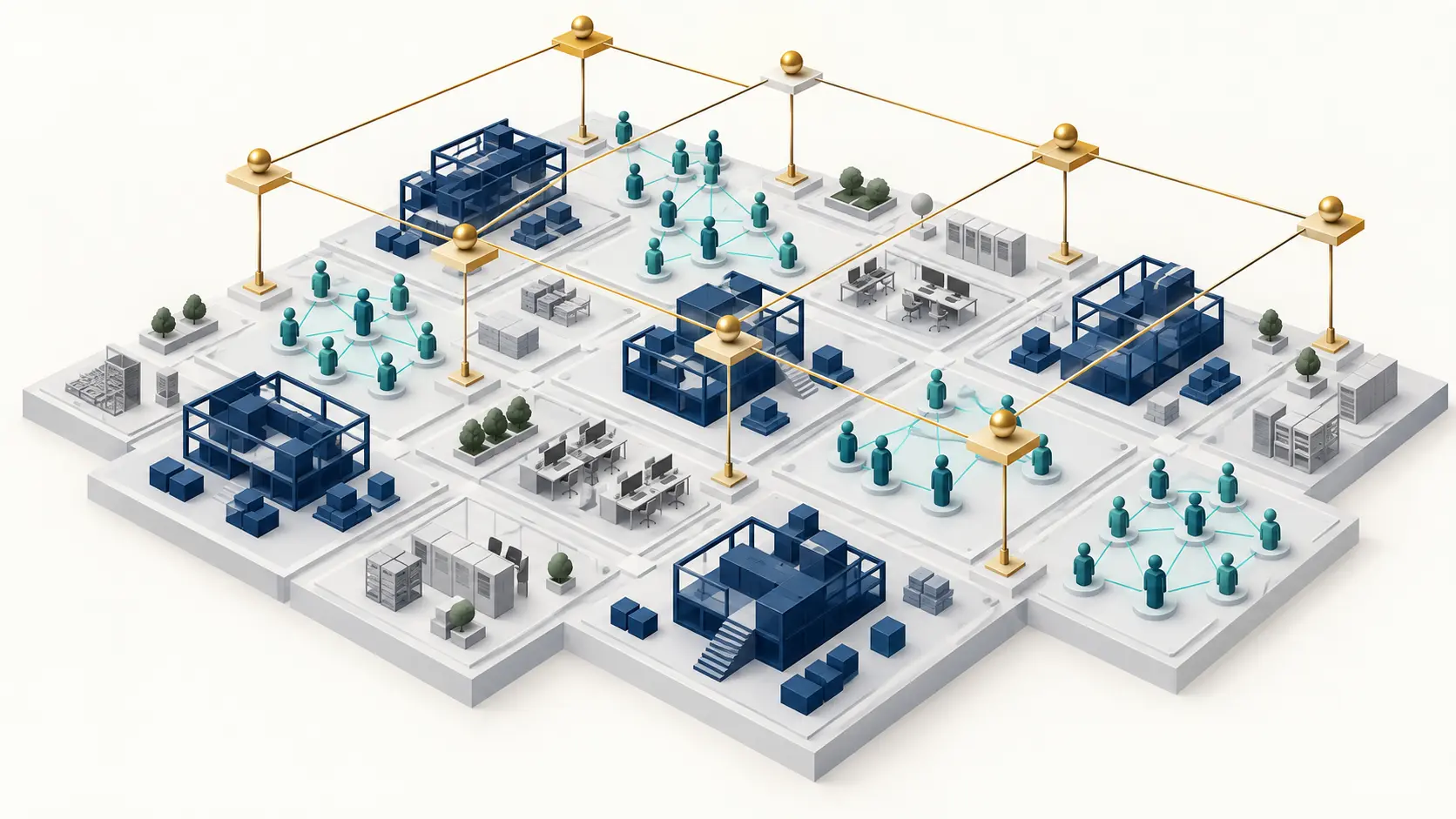
Project management and change management are often described as separate disciplines. The distinction is useful, but organizations gain little from protecting the boundary too rigidly. A project can deliver every planned output and still fail to change day-to-day work. A well-designed change effort can build commitment and capability but still struggle if scope, dependencies, resources, and decisions are poorly managed.
The practical question is therefore not which discipline is more important. Leaders need to know what each one contributes, where they must connect, and how to govern several initiatives whose combined effects reach the same operations.
Project Management vs. Change Management: The Core Difference
Project management organizes work needed to create a defined result. It manages scope, schedule, resources, risks, dependencies, quality, and delivery responsibilities.
Change management prepares and supports the people and organizational conditions needed to use that result. It addresses stakeholder impacts, leadership, communication, participation, learning, adoption, resistance, and reinforcement.
Operational integration connects the initiative with the operational units that must shape, absorb, and sustain the result. It begins before launch by making workflow dependencies, operating constraints, exception paths, and ownership visible. It continues through implementation and stabilization as operational experience informs adjustments and decisions. Teams must handle exceptions, coordinate across functions, apply new decision rights, and sustain performance under normal operating pressure.
Enterprise governance looks across projects and operations. It makes decisions about priorities, cumulative capacity, shared risks, conflicting dependencies, and the organization’s overall direction.
A deliverable creates the possibility of change. Operational use creates the organizational result.
What Integration Looks Like in Practice
Consider an enterprise system implementation. Project management coordinates requirements, configuration, testing, data migration, risks, and the launch schedule. Change management prepares leaders and employees to understand, adopt, and use the system. Operational leadership determines how the system will function within everyday workflows, who will resolve exceptions, and which older practices must end.
The connection becomes more difficult when other initiatives affect the same operation. A restructuring may change responsibilities while a regulatory project introduces new controls and the system implementation requires training from the same managers. Each initiative may have an integrated project and change plan, yet their combined demands can still conflict.
Project-level coordination cannot resolve every such conflict. Enterprise governance may need to adjust priorities, capacity, scope, funding, or sequence. The disciplines remain distinct, but they contribute to one management path from project delivery through change adoption and operational readiness to benefits realization.
Where the Connection Commonly Breaks
One Plan Ends Too Early
A project plan may end at launch, handover, or formal close. The organization still needs to stabilize the new way of working, resolve emerging issues, measure benefits, and transfer ownership. If these activities have no clear owner or capacity, the project can be declared complete while the change remains fragile.
Impacts Are Treated as Communication Tasks
A communication plan cannot replace a change-impact assessment. People need more than messages. They may need different authority, new skills, revised workflows, updated performance measures, support for exceptions, or time to stop older practices.
Success Measures Remain Separate
Project measures may emphasize milestones and deliverables. Change measures may emphasize awareness, participation, or adoption. Operations may focus on service, quality, risk, and productivity. Without a shared outcome model, each group can report success while the enterprise result remains uncertain.
Multiple Projects Compete in the Same Operation
Integration at the project level is necessary but insufficient when several initiatives affect the same teams. Each project may make a reasonable request in isolation. Together, the requests may exceed capacity or introduce incompatible timelines and operating assumptions.
Six Practices That Connect the Disciplines
1. Define the operating outcome together. Describe what people, teams, processes, and customers should experience when the change works. Connect deliverables, behavior, workflow, and performance.
2. Build one integrated roadmap. Link technical or process milestones with stakeholder engagement, training, operational readiness, transition, stabilization, and benefit reviews.
3. Name ownership before handover. Identify who will own the new capability in operations, who can decide on exceptions, and who is responsible for learning and improvement after launch.
4. Use shared governance. Bring delivery, change, operational, risk, and business perspectives into the decisions that require them. Clarify what the project can decide and what must be escalated.
5. Read evidence across three horizons. Before launch, assess readiness. During transition, monitor adoption and operational disruption. After launch, examine reliability, performance, and whether intended benefits are emerging.
6. Manage the portfolio effect. Map cross-project demands and dependencies. When conflicts appear, resolve them at the level that can change priorities, funding, scope, or sequence.
A Practical Responsibility Map
- Project leadership: coordinates delivery and manages the agreed project constraints.
- Change management responsibility: creates the conditions for understanding, participation, change adoption, capability development, and reinforcement.
- Operational leadership: integrates the change into work, resolves exceptions, and sustains performance.
- Enterprise leadership: sets direction and makes tradeoffs across initiatives, capacity, risk, and strategic outcomes.
These responsibilities can sit in different functions or be combined in smaller organizations. What matters is that none disappears between planning, implementation, and normal operations.
The GLCM Connection
The GRIFFOX Layered Cake Model™ does not replace project management or change management. It provides a connecting structure across Foundation and Experience, Framework, Implementation, Recalibration, and Goal. Established project and change methods can be used within that structure. When a meaningful goal is achieved, it changes the organization’s starting point for what comes next.
The wider GLCM perspective also connects local work with operational ownership and enterprise decisions. That matters when one project’s schedule, resource demand, or design choice changes the conditions for another initiative or for the operation as a whole.
Questions Leaders Should Ask
- What deliverable will the project produce, and what operating outcome should it enable?
- Who owns adoption, operational stabilization, and benefit realization?
- Which decisions can be made within the project, and which require enterprise authority?
- How will operational evidence change the implementation plan?
- Which other initiatives affect the same teams, processes, or systems?
Organizations do not need to merge every discipline into one role. They need a shared path from strategy through delivery and adoption into reliable operations, with governance strong enough to resolve the conflicts that individual projects cannot solve.
Explore the GRIFFOX Layered Cake Model for a broader view of how change initiatives, operational integration, and enterprise decisions connect.
By Harald Lavric | Founder, GRIFFOX Consulting | Creator, GRIFFOX Layered Cake Model™
About Harald Lavric
Harald Lavric is the founder of GRIFFOX Consulting and creator of the GRIFFOX Layered Cake Model™. His work focuses on the connections among leadership, strategy, organizational change, operational responsibility, and enterprise decision-making. Drawing on more than three decades of experience in the German health-insurance system and work across public- and private-sector environments, he helps leaders make overlapping change more coherent and workable.